
Navigating Biological Control in Agriculture Today
Agriculture is at a crossroads. As the global population continues to rise, the demand for food increases, putting immense pressure on farmers to produce more with fewer resources. Traditional methods of pest control, often reliant on synthetic chemicals, are being scrutinized for their environmental impact and potential health risks. In this context, biological control emerges as a sustainable alternative, offering a pathway to effective pest management while preserving ecological balance. This blog post will explore the principles of biological control, its benefits, challenges, and practical applications in modern agriculture.
Understanding Biological Control
Biological control involves the use of natural predators, parasites, or pathogens to manage pest populations. This method leverages the natural relationships within ecosystems to keep pest numbers in check, reducing the need for chemical interventions.
Key Components of Biological Control
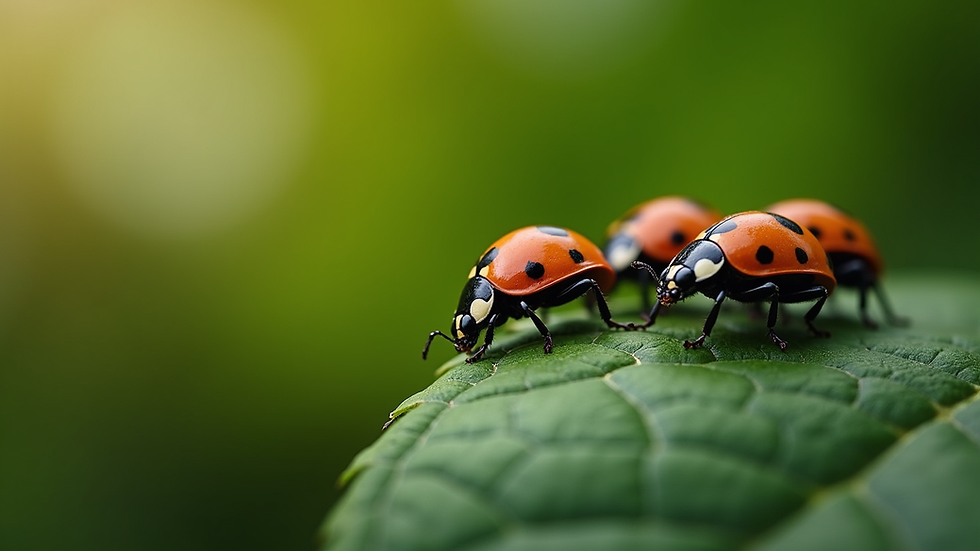
Natural Enemies: These include predators, parasitoids, and pathogens that target pest species. For example, ladybugs are well-known for their role in controlling aphid populations.
Inoculative Release: This strategy involves the introduction of natural enemies into an environment where they can establish and reproduce, providing ongoing pest control.
Augmentative Release: In this approach, natural enemies are released in larger numbers to provide immediate pest control, often used in conjunction with other methods.
Conservation Biological Control: This method focuses on enhancing the habitat for natural enemies already present in the ecosystem, promoting their effectiveness in pest management.
Benefits of Biological Control
The adoption of biological control methods offers several advantages:
Environmental Safety: Biological control reduces reliance on synthetic pesticides, minimizing chemical runoff and protecting non-target species, including beneficial insects and pollinators.
Sustainability: By utilizing natural processes, biological control can lead to long-term pest management solutions that are less harmful to the environment.
Cost-Effectiveness: While initial costs may be higher, biological control can lead to savings in the long run by reducing the need for chemical inputs and improving crop yields.
Resistance Management: Pests can develop resistance to chemical pesticides over time. Biological control methods can help mitigate this issue by introducing diverse control strategies.
Challenges in Implementing Biological Control
Despite its benefits, biological control is not without challenges:
Complexity of Ecosystems: Understanding the intricate relationships between pests and their natural enemies can be difficult. Successful implementation requires knowledge of local ecosystems and pest dynamics.
Time-Consuming: Biological control methods often take longer to establish than chemical treatments, which can be a drawback for farmers needing immediate results.
Limited Availability: Not all natural enemies are readily available for commercial use, and sourcing them can be a challenge for farmers.
Potential for Non-Target Effects: Introducing non-native species can sometimes lead to unintended consequences, including the disruption of local ecosystems.
Practical Applications of Biological Control
Case Study: The Use of Ladybugs in Greenhouses
In greenhouse settings, aphids can become a significant pest issue. Many growers have turned to ladybugs as a biological control agent. By releasing ladybugs into the greenhouse, growers can effectively reduce aphid populations without resorting to chemical pesticides. This method not only protects the crops but also maintains the health of the greenhouse ecosystem.
Integrated Pest Management (IPM)
Biological control is often a key component of Integrated Pest Management (IPM) strategies. IPM combines multiple approaches, including biological, cultural, and mechanical methods, to manage pests sustainably. For example, a farmer might use crop rotation to disrupt pest life cycles while simultaneously releasing natural enemies to control existing populations.
Crop-Specific Applications
Different crops may require tailored biological control strategies. For instance:
Vegetable Crops: The use of parasitic wasps to control caterpillar pests is common in vegetable production.
Fruit Orchards: Introducing predatory mites can help manage spider mite populations in fruit trees.
Field Crops: In corn and soybean fields, beneficial nematodes can be used to target soil-dwelling pests.
Future Directions in Biological Control
As the agricultural landscape evolves, so too does the field of biological control. Advances in technology and research are paving the way for more effective and targeted biological control methods.
Genetic Engineering
Research into genetically modified organisms (GMOs) is exploring the potential for creating pest-resistant crops that can reduce the need for biological control. However, this approach is controversial and requires careful consideration of ecological impacts.
Biopesticides
The development of biopesticides, derived from natural materials, is gaining traction. These products can provide effective pest control while being less harmful to the environment. For example, products based on Bacillus thuringiensis (Bt) are widely used to control caterpillar pests.
Education and Training
For biological control to be successful, farmers need access to education and training. Extension services and agricultural organizations can play a crucial role in providing resources and support for implementing biological control strategies.
Conclusion
Biological control represents a promising avenue for sustainable agriculture, offering effective pest management solutions that align with environmental stewardship. While challenges remain, the benefits of reduced chemical use, enhanced ecosystem health, and long-term sustainability make it a compelling choice for modern farmers. As the agricultural community continues to innovate and adapt, embracing biological control can lead to a more resilient and productive future for agriculture.
By understanding and implementing biological control methods, farmers can not only protect their crops but also contribute to a healthier planet. The journey toward sustainable agriculture is ongoing, and biological control is a vital part of that journey.
Comments